
This guide explains the current requirements, the settlement process, and the options available when insurance coverage falls short.
Quick navigation: California insurance limits | Injury settlements | Protecting your claim
California Car Accident Claims in 2026 and Insurance Coverage
Car insurance plays a significant role in determining how injured people can recover compensation. California generally follows a fault-based liability system. As a result, a driver who negligently causes an accident may be financially responsible for resulting injuries and property damage.
However, insurance policy limits do not automatically determine the total value of an injury claim. They generally establish how much an insurer may pay under a particular coverage provision, subject to the policy terms and applicable law.
Understanding California’s 30/60/15 Insurance Requirements
California’s updated minimum liability insurance standards are commonly described as 30/60/15. These numbers represent the minimum coverage amounts for standard automobile liability policies.
- $30,000 per person: Bodily injury or death liability coverage for one individual.
- $60,000 per accident: Total bodily injury or death liability coverage when multiple people are injured.
- $15,000 per accident: Liability coverage for damage to another person’s property.
These minimums replaced the former 15/30/5 requirements. The increase offers greater potential insurance protection, although serious accidents can still produce losses above these amounts.
Why the New Insurance Limits Matter
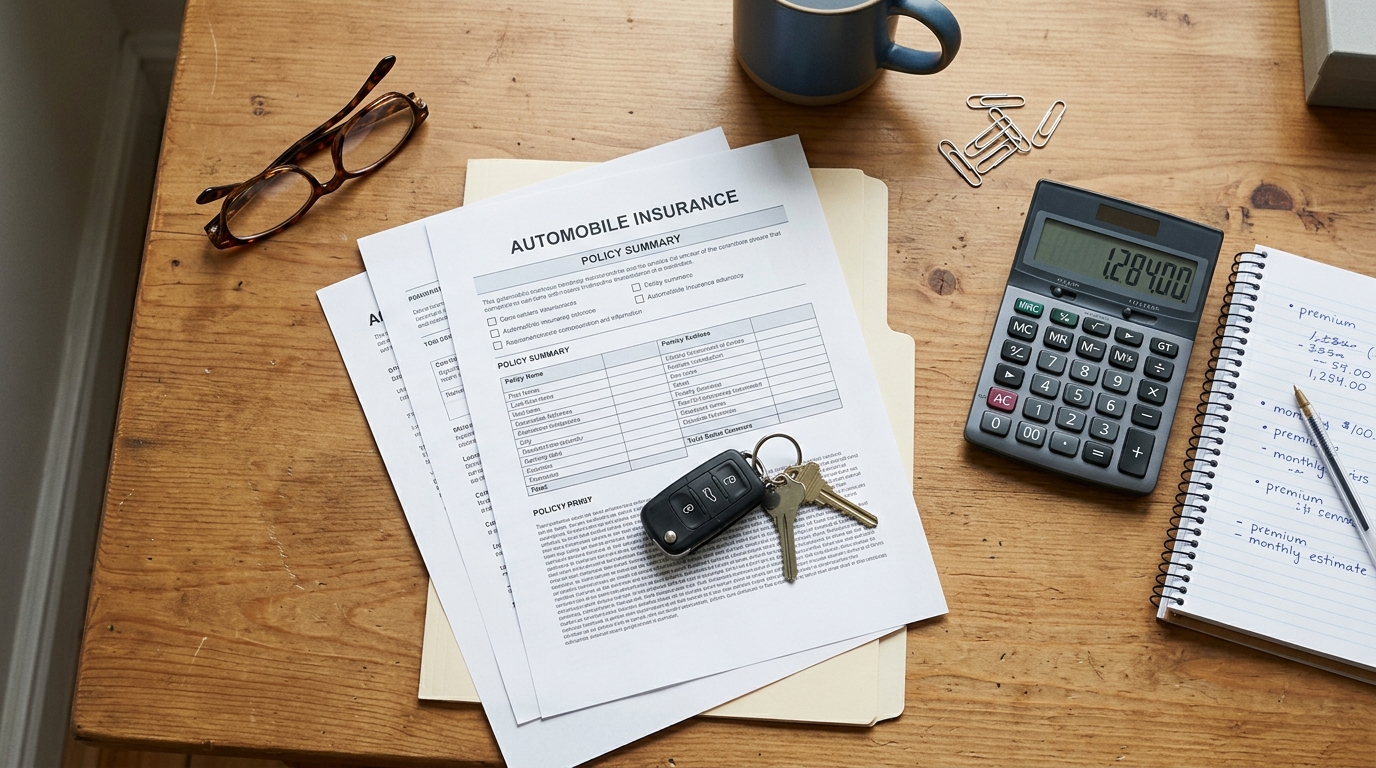
Consider a collision involving one injured driver. That person incurs $45,000 in medical expenses, along with additional lost income and other damages.
If the responsible driver carries only the minimum $30,000 bodily injury liability coverage, that policy may not cover the full loss. Even then, payment depends on establishing liability, covered damages, and other claim requirements.
Furthermore, the injured person may need to investigate additional insurance coverage or other legally available sources of compensation.
A policy limit is not a guaranteed settlement amount. Likewise, an insurer’s offer does not necessarily represent the complete value of the person’s damages.
What Happens When Multiple People Are Injured?
The $60,000 per-accident bodily injury limit becomes especially important when several people suffer injuries in the same collision.
For example, suppose three accident victims each experience substantial medical expenses. If the responsible driver has minimum coverage, the insurer’s total bodily injury obligation under that limit generally cannot exceed $60,000 for the covered accident.
Additionally, the $30,000 individual limit still applies to each injured person.
Consequently, multiple claims may compete for limited available insurance proceeds. The allocation and resolution of these claims depend on the circumstances, policy language, and applicable legal requirements.
Accident victims should avoid assuming that the insurer will fully compensate every injured person simply because the driver maintained legally required insurance.
How Insurance Limits Affect Personal Injury Settlements
A personal injury settlement involves more than reviewing the insurance policy. Claim value may depend on the severity of injuries, treatment expenses, income losses, supporting evidence, and the degree of responsibility assigned to each person.
Insurance limits can restrict available policy proceeds. Nevertheless, the amount of coverage and the legally supportable amount of damages remain separate questions.
Medical Bills, Lost Income, and Pain and Suffering
California car accident claims in 2026 may involve several categories of damages. Economic damages typically relate to measurable financial losses, while noneconomic damages address injuries that do not have a straightforward financial price.
Potential economic damages include:
- Emergency medical treatment and hospitalization.
- Diagnostic testing, surgery, and rehabilitation.
- Reasonably necessary future medical treatment.
- Lost wages and diminished earning capacity.
- Vehicle repairs and other recoverable property losses.
Depending on the circumstances, noneconomic damages may include physical pain, emotional distress, loss of enjoyment of life, and other recognized consequences of an injury.
However, claimants must establish their losses with appropriate evidence. Medical records, treatment recommendations, employment documentation, and witness statements can help support a demand.
The availability of particular damages may also depend on California statutes and the facts of the case.
For example, California Civil Code Section 3333.4 can restrict certain noneconomic damage recoveries for uninsured motorists in specified circumstances, subject to statutory exceptions.
Therefore, an accurate settlement assessment should consider both damages evidence and any applicable legal limitations.
Can You Recover More Than the Driver’s Insurance Limit?
Sometimes, an injured person may have legal options beyond the responsible driver’s liability policy. However, obtaining additional compensation is not automatic.
Possible avenues include identifying another liable party, reviewing applicable insurance policies, or evaluating whether the responsible person has collectible assets.
For instance, a collision involving an employee driving for work may raise questions about an employer’s potential responsibility. Similarly, certain commercial vehicle accidents may involve additional insurance arrangements.
These possibilities require factual and legal investigation. A personal automobile policy does not automatically provide commercial coverage, and employer liability does not arise in every work-related situation.
Importantly, settling a claim may involve signing a release that affects future recovery rights. Injured people should understand the release terms before accepting payment.
In complex cases, reviewing available coverage with a qualified California personal injury attorney may help clarify the available options.
How to Protect Your California Car Accident Claim in 2026

Insurance coverage is only one part of a successful injury claim. Evidence preservation, medical documentation, and communication with insurers can also influence the outcome.
Following practical steps after a crash may help injured people protect their interests while avoiding preventable complications.
Steps to Take After an Accident Involving Limited Insurance
First, seek medical attention when injuries are suspected. Some symptoms may become more noticeable after the initial incident. A healthcare professional can evaluate injuries and recommend appropriate treatment.
Second, preserve available accident evidence. Photographs, witness contact information, police reports, and vehicle damage records may help explain how the collision occurred.
Third, keep organized records of medical appointments, treatment expenses, travel costs, and missed work. Clear documentation can make financial losses easier to evaluate.
Fourth, report the collision to the appropriate insurance company according to policy requirements. Provide accurate information without speculating about injuries or accepting responsibility before the facts are clear.
Finally, consider requesting written information about applicable coverage. Claimants may also need to investigate their own uninsured or underinsured motorist protection.
California insurers generally must offer uninsured motorist coverage, although policyholders may reject it in writing. Its availability and benefits depend on the policy and applicable law.
These steps do not guarantee a particular settlement, but they may reduce avoidable disputes and missing documentation.
Understand important deadlines. California Code of Civil Procedure Section 335.1 generally provides a two-year limitations period for many personal injury lawsuits. Exceptions and different deadlines may apply, including shorter government-claim deadlines.
For that reason, injured people should not assume that ongoing insurance negotiations extend the applicable filing deadline.
Review the coverage before accepting payment. A quick settlement may seem appealing when medical bills arrive. However, accepting an offer before understanding the extent of an injury can create problems, particularly if the settlement includes a broad release.
Reviewing the available medical evidence, expected treatment needs, and potential future losses can support a more informed decision.
Know when additional guidance is useful. Disputed liability, multiple injured parties, significant medical expenses, and limited insurance coverage can make a claim more complicated.
A licensed attorney can evaluate the individual facts, identify possible defendants, and explain the practical effect of applicable insurance limits.
For additional official information, consult the California Department of Insurance’s Automobile Insurance Guide. It explains liability coverage, optional protection, and other important insurance concepts.
Frequently asked questions
Does California’s $30,000 insurance minimum guarantee a $30,000 settlement?
No. The minimum represents a liability coverage limit for one injured person under a standard minimum-limit policy. Actual compensation depends on fault, proven damages, applicable coverage, and the circumstances of the claim.
What if the at-fault driver has no insurance?
Uninsured motorist coverage may provide protection when it applies. Other recovery possibilities depend on the parties, facts, and available policies.
Can someone file a claim if they were partly responsible?
California generally applies pure comparative negligence. An injured person’s recoverable damages may be reduced by their percentage of fault rather than automatically eliminated.
Final thoughts
California car accident claims in 2026 demonstrate why minimum insurance coverage and full compensation are not necessarily the same thing. Although the 30/60/15 requirements provide greater protection than the previous limits, serious injuries can still create substantial uninsured losses.
Understanding insurance coverage, preserving evidence, documenting damages, and reviewing settlement terms can help injured people make more informed decisions.
Every accident presents different legal and financial questions. When injuries are serious or coverage is disputed, individualized legal advice can help clarify possible next steps.
Disclaimer: This article provides general educational information about California law as of October 2026. It does not constitute legal advice or create an attorney-client relationship.