
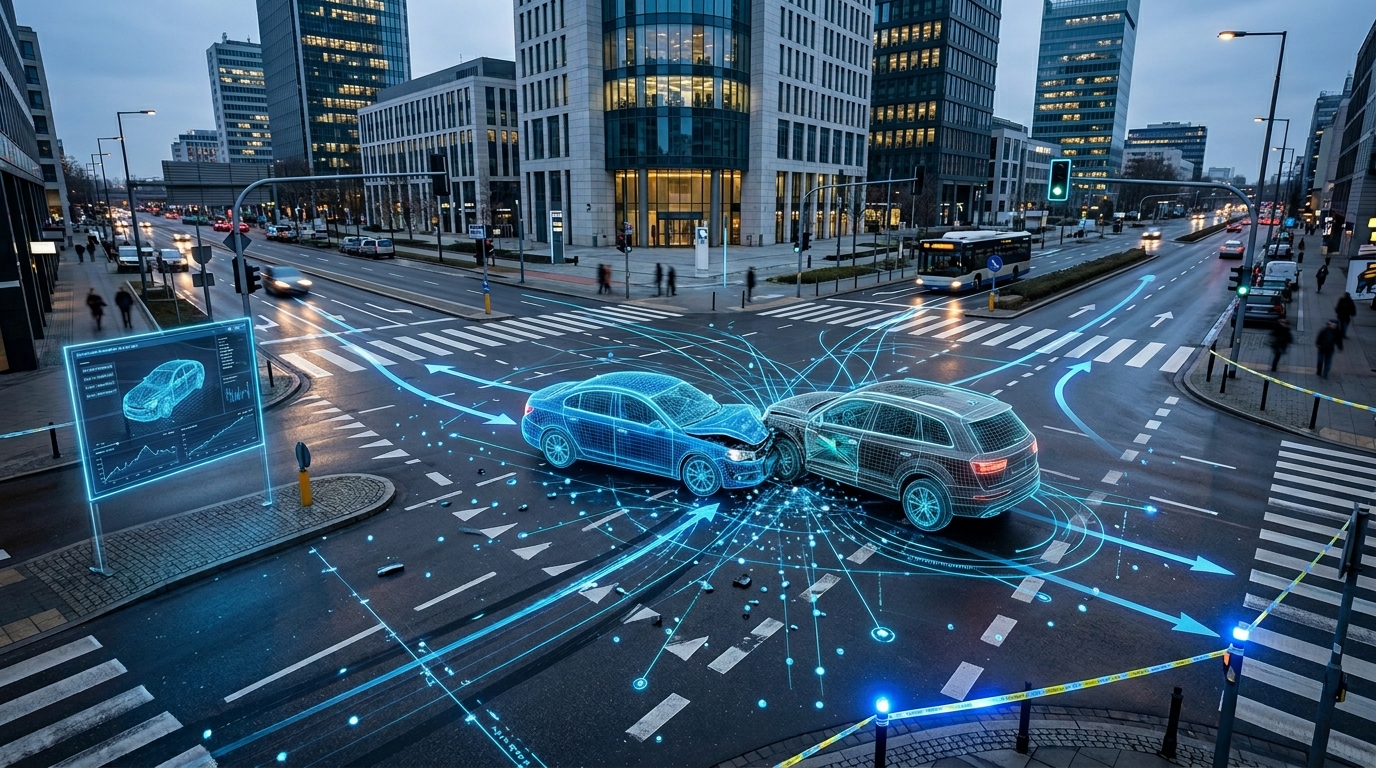
Artificial intelligence is rapidly transforming the way personal injury claims are evaluated, especially when it comes to compensation and damages. In 2026, AI-generated evidence—such as accident reconstructions, predictive injury models, and automated liability assessments—is increasingly being used by insurers, lawyers, and courts.
While this technology can improve accuracy and efficiency, it also introduces new risks that can directly affect how much compensation an injured person receives. Understanding how AI impacts damages is now essential for anyone pursuing a personal injury claim.
What Is AI-Generated Evidence in Personal Injury Cases?
AI-generated evidence refers to data or analysis created by machine learning systems rather than human experts. This includes:
- Accident reconstruction simulations
- Medical prognosis predictions
- Automated liability assessments
- Behavioral analysis from dashcams or surveillance
Insurance companies increasingly rely on these tools to evaluate claims faster and reduce costs. However, faster does not always mean fair.
How AI Affects Compensation and Damages
1. Faster Claim Evaluations
AI can process large amounts of data in seconds, allowing insurers to quickly estimate compensation. While this may speed up settlements, it can also lead to undervaluation if the system overlooks key human factors such as pain and suffering.
2. Standardization of Payouts
AI systems often rely on historical data to determine compensation ranges. This can create a “standardized” payout structure, which may not fully reflect the unique circumstances of your case.
For example, two individuals with similar injuries may receive nearly identical compensation—even if one suffers significantly more long-term impact.
3. Reduced Human Judgment
Traditionally, adjusters and legal professionals assess damages based on experience and context. AI reduces this human element, which can sometimes result in rigid or overly conservative compensation decisions.
The Risks of AI in Damage Calculations

Bias in Algorithms
AI systems are only as good as the data they are trained on. If historical claims data contains biases, the AI may replicate and even amplify those biases, potentially lowering compensation for certain groups.
Incomplete Data Inputs
If critical evidence is missing or inaccurately recorded, AI may produce flawed outputs. This can directly impact your compensation, especially in cases involving non-economic damages like emotional distress.
Lack of Transparency
Many AI systems operate as “black boxes,” meaning their decision-making process is not easily understood. This makes it difficult to challenge low compensation offers based on AI-generated conclusions.
How Lawyers Are Responding to AI Evidence
Personal injury lawyers are adapting quickly to these technological changes. They now:
- Challenge AI-generated reports in court
- Use independent experts to verify AI findings
- Present alternative damage calculations
Legal professionals are also pushing for stricter regulations to ensure fairness and transparency in AI-assisted claims.
Using AI to Strengthen Your Claim
Interestingly, AI is not only used by insurers—it can also benefit claimants. Lawyers may use AI tools to:
- Simulate accident scenarios
- Predict long-term medical costs
- Support higher compensation demands
This creates a more balanced playing field when both sides use technology effectively.
What You Can Do to Protect Your Compensation
If your claim involves AI-generated evidence, consider the following steps:
1. Request Full Disclosure
Ask how AI was used in evaluating your claim and what data was considered.
2. Verify the Evidence
Ensure that all information used by the AI system is accurate and complete.
3. Consult a Lawyer
An experienced attorney can identify weaknesses in AI-generated conclusions and advocate for fair compensation.
For more insights on compensation factors, visit our compensation and damages category.
The Future of AI in Personal Injury Compensation
As AI continues to evolve, its role in personal injury cases will only grow. Courts and regulators are beginning to address concerns about fairness, transparency, and accountability.
In the future, we may see:
- Standard guidelines for AI use in claims
- Mandatory disclosure of AI decision-making processes
- Greater oversight to prevent bias

Final Thoughts
AI-generated evidence is reshaping how compensation and damages are calculated in personal injury cases. While it offers efficiency and data-driven insights, it also introduces risks that could impact your financial recovery.
Understanding these changes—and working with professionals who know how to navigate them—can make a significant difference in the outcome of your claim.
For additional legal insights, you can also explore resources from the Insurance Information Institute at https://www.iii.org/.